
 Author:
 School safety can be a difficult topic for parents to discuss with their children. Kids may hear about incidents at school, notice new security measures, or pick up on conversations happening around them. Even when parents want to reassure their children, bringing up safety concerns can sometimes create more anxiety.
However, school safety is a concern for many parents. According to Gallup, 41% of U.S. parents of K-12 students said in an August 2026 survey that they fear for their oldest child’s physical safety at school. These figures mirror trends from the last three years, ranging between 38% and 44%, and remain consistently higher than the historical average of 34%.
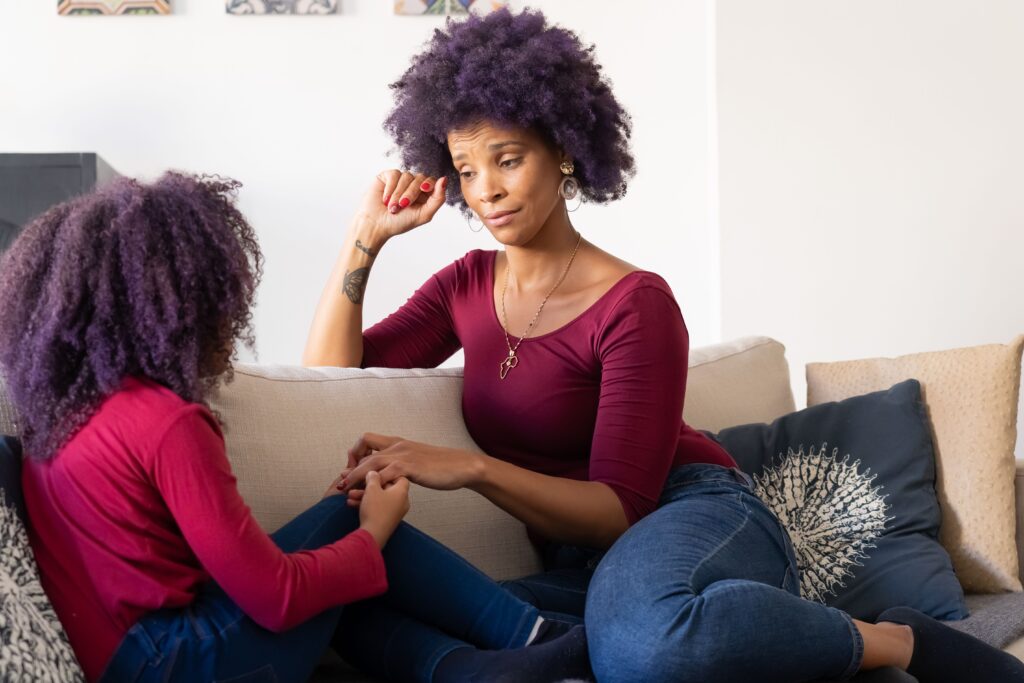
The concerns are understandable, but talking about school safety does not have to make children more anxious. A calm, age-appropriate conversation can help children feel informed without making them fearful.
Here are some ways parents can talk about school safety while keeping the focus on confidence, preparedness, and reassurance.
Start With What Your Child Already Knows
Before explaining anything, ask your child what they have heard or noticed. You might ask, “Have you talked about school safety in class?” or “Did anything about the school’s safety rules make you curious?”
This gives you a better idea of what your child actually understands. A younger child may simply be wondering why the school has locked doors, while an older child may have heard about a troubling event online.
Try not to immediately fill in the gaps with your own concerns. Listen first. If your child has misunderstood something, gently correct the information without going into unnecessary detail.
Children also vary in how much information they want. Some may have several questions, while others may want to change the subject quickly. Let their reactions guide the conversation.
Help Kids Understand the Safety Measures They See at School
Depending on their school, children may notice various safety measures like locked doors, guest check-in routines, security cameras, or staff assigned to entrances. Explain calmly that these practices simply help the school know who is entering and keep everyone safe. Some children will also witness bag screenings or metal detectors in schools to check for prohibited items.
GXC Inc. notes that the latest federal data indicate that about 6% of U.S. public schools conduct random metal detector checks, and 2.4% perform daily screenings. These numbers increase at the high school level, where roughly 14% use random checks and 6% screen students every day.
Reassure your child that going through screenings or seeing security equipment does not mean anyone is in danger or that they did anything wrong. Answer their questions honestly to help them view these measures as normal, protective routines.
Talk About Drills Without Making Them Sound Scary
Emergency drills can sometimes make children anxious, especially when they do not understand why they are happening. Explain that schools practice drills for the same reason families practice fire escape plans at home. Practice helps people know what to do instead of figuring it out in the moment.
According to the U.S. Department of Education, emergency planning helps schools prevent or minimize emergencies by clarifying roles for staff and responders. It also recommends training, age-appropriate drills, and exercises that reflect each school’s needs.
Keep your conversations simple and focused on clear, practical actions your child can take. Encourage them to stay attentive to their teachers and follow directions carefully.
After a drill, check in and ask how they felt or whether anything confused them. If they seem worried, give them space to talk. The goal is to make drills feel like familiar practice, not something frightening.
Give Kids Simple Things They Can Control
School safety can feel overwhelming to a child when it is presented as something entirely outside their control. Giving them a few simple actions can help them feel more confident.
For example, remind your child that they can:
- Pay attention to trusted grownups and follow their lead.
- Tell a teacher or another trusted adult if something concerns them.
- Ask questions when they do not understand a safety procedure.
- Stay with their class or group when instructed.
- Speak up if they or another student needs help.
These actions do not make children responsible for keeping the school safe. Instead, they give them practical ways to respond appropriately.
Dr. David C. Schwebel, a child psychologist and author of Raising Kids Who Choose Safety, notes that adults are often better positioned to recognize and prevent injury risks. However, children can also support their own safety by following rules and making safe choices as they grow. Remind kids that teachers, administrators, counselors, and other staff share responsibility for maintaining a safe environment.
Make Room for Questions and Feelings
Children may not always ask directly when something is bothering them. They might say they do not want to go to school, feel nervous after a conversation with a friend, or have questions after a drill. Pay attention to these changes and gently ask what is on their mind.
Johns Hopkins Medicine recommends offering a brief explanation about safety and then letting your child guide the conversation. Invite their questions and respond with clear, age-appropriate answers kept to just one or two sentences.
Skip dense details or long lists of potential dangers. For younger kids, emphasize that their main job in an emergency is to listen to trusted adults and do what they ask. Reassure them that school is a safe environment surrounded by good people.
Help your child point out specific “helpers” they can go to for support. If they ask something you cannot answer, reassure them that it is fine not to know everything and offer to find the answer together.
Help Children Process Upsetting News Calmly
Children may come across upsetting news through social media, friends, or conversations at school. Rather than letting your child hear about a serious event from someone else first, the Child Mind Institute suggests that parents step in early when they can. Doing so gives you the chance to explain what happened in simple, age-appropriate terms and to set a steady, calm tone from the outset.
Begin by asking what your child already knows and how they feel about it. Let them ask questions and express their emotions at their own pace, rather than offering more information than they’re ready for.
Younger kids especially may fear that something similar could happen to them, so remind them that tragic events like this are uncommon and that adults are actively working to keep them safe.
It’s okay if your child sees that you are sad or upset, but try to stay calm and manage your emotions. Kids are often sensitive to a parent’s mood, and too much visible distress can make it difficult for them to take in what you’re telling them.
FAQs
How can I talk to my children about school safety without frightening them?
Keep the conversation calm, practical, and focused on what children can control. Explain safety procedures, such as drills and screenings, without describing frightening scenarios. Let your child’s questions and reactions guide how much information you provide.
Should I talk to my child about school security measures?
Yes. If your child encounters security procedures at school, a simple explanation can help them understand what is happening. Explain that measures such as visitor check-ins or screening are intended to support safety and do not mean that children should expect something bad to happen.
What should I do if my child becomes anxious about school safety?
Listen to their concerns without dismissing them. Reassure them, limit exposure to upsetting news when appropriate, and help them identify trusted adults at school. If anxiety continues to interfere with everyday activities, consider talking with a pediatrician, school counselor, or mental health professional.
School Safety Statistics at a Glance
| Parents concerned about their child’s physical safety at school | 41% of U.S. parents of K-12 students |
| Three-year range of parents reporting this concern | 38% to 44% |
| Long-term average of parents reporting this concern | 34% |
| U.S. public schools using metal detector checks | About 6% |
| U.S. public schools screening daily | 2.4% |
| High schools using metal detector checks | About 14% |
| High schools screening daily | About 6% |
Talking to children about school safety does not have to mean talking about everything that could go wrong. Parents can focus on what children can understand and control. This includes following instructions, knowing which adults they can trust, asking questions, and speaking up when something feels wrong.
Every family and child will approach these conversations differently. Keep your language simple, listen instead of lecturing, and avoid making safety discussions feel frightening. When children understand why certain rules are in place and know they can turn to trusted adults for support, they can feel more prepared and confident without becoming overwhelmed.




Leave a Reply