
 Author:
 Homeschooling allows your family to shape learning around your child’s needs, interests, and pace. For many parents, the idea feels exciting and a little daunting at the same time. You may look forward to spending more time together, supporting your child’s development more closely, and creating a flexible routine that fits your household. At the same time, questions about space, social connections, online safety, and daily schedules naturally arise. The good news is that homeschooling does not require a perfect home or a teaching degree. With thoughtful planning and realistic expectations, you can create an environment where your child feels supported and confident.
Creating a homeschool-friendly home
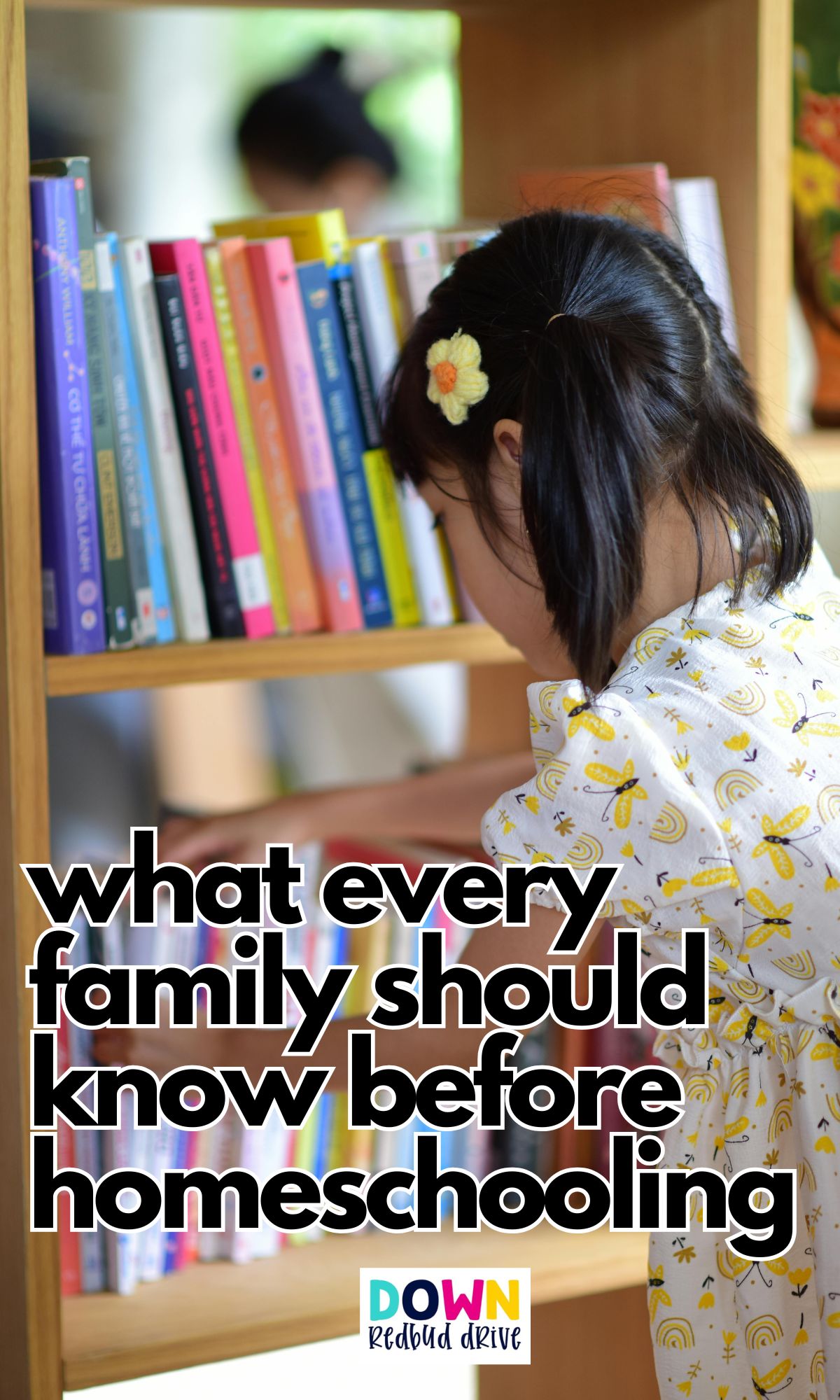
Your home does not need to look like a traditional classroom to support learning effectively. Many successful homeschooling families use a dining table, a corner of the living room, or a small desk in a bedroom as their primary learning space. What matters most is consistency. When your child knows where learning activities usually take place, they can settle into lessons more easily.
Organization also helps reduce stress throughout the day. Simple storage boxes for books, art materials, and worksheets can prevent clutter from building up and save time when lessons begin. For example, if your child enjoys science projects, keeping materials together in one location makes it easier to move from reading about an experiment to carrying it out. Create a dedicated learning area that works for your family’s available space.
Online safety and privacy
Many homeschooling families rely on online resources for lessons, research, and virtual activities. While these tools offer valuable opportunities, they also require sensible safety habits. Children often move between educational websites, videos, and interactive platforms, so parents benefit from understanding how each service handles personal information. Privacy settings deserve regular attention. Reviewing account settings and discussing safe browsing habits with your child can help protect personal details. As you research online privacy tools, you may encounter information about the Tor browser and other technologies designed to increase anonymity online. Understanding how these tools work can help you make informed decisions about protecting your family’s digital activity while still accessing legitimate educational content.
A supportive homeschool community
Homeschooling works best when families build connections with others who share similar experiences. Local groups, co-ops, sports teams, and community organizations can provide valuable opportunities for both parents and children. These connections often offer practical benefits alongside social interaction. For example, one parent may have expertise in music while another feels comfortable leading science activities. Children can also develop friendships through regular meetups, group projects, and shared interests. Look for local homeschooling groups that match your family’s values and educational goals.
Flexibility
Flexibility remains one of homeschooling’s greatest strengths because it allows learning to adapt to real life rather than forcing every day into a fixed schedule. Some children concentrate best in the morning, while others engage more effectively later in the day. Homeschooling gives you room to discover what works for your child. A flexible approach also helps during unexpected situations. If your child becomes fascinated by astronomy after a visit to a planetarium, you can spend extra time exploring the topic without worrying about keeping pace with a rigid timetable. This freedom often helps children develop genuine curiosity and a stronger connection to learning. Adjust your schedule when your child’s needs or interests change.
More Homeschool Advice






Leave a Reply