
 Author:
Statistics on traffic crashes and legal liability are often linked. These are not as neat as they appear on most lists. Traffic crashes accounted for about 39,254 fatalities and nearly 2.42 million injuries in 2024, according to the National Highway Traffic Safety Administration’s (NHTSA) overview. These numbers can be subdivided into two questions: what was the cause of the traffic crash and what was the liability.
It’s important to be careful when driving on the road. And to make sure you can prevent accidents, you should know what to avoid when driving. This includes knowing what the number one cause of car accidents is.
Several opinions place distraction first. But let’s see what the federal records say.
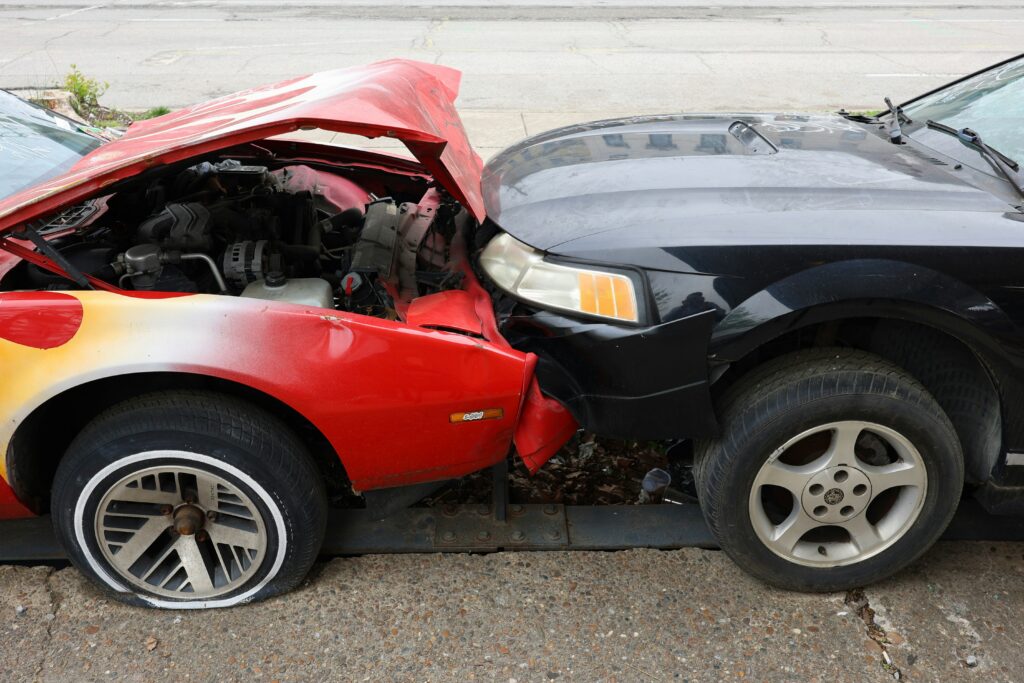
What the Data Says About Common Causes
According to the National Highway Traffic Safety Administration, alcohol-impaired and speed-related crashes account for more reported deaths than distraction, though distraction is difficult to detect and likely undercounted. This difference shows that a single response is almost impossible to determine.
The NHTSA divides its reports based on behaviors and reported that 11,288 deaths, or 29% of the total, were related to speeding. Crashes involving an alcohol-impaired driver resulted in 11,904 deaths, or 30% of the total. Distraction-affected crashes resulted in 3,208 deaths, and another 315,167 people were injured, according to an NHTSA research note.
These statistics don’t demonstrate causation but rather focus on what role each factor played in a collision. Alcohol impaired deaths occur when there is an operator involved in a crash who has a BAC of 0.08 percent or greater. Speeding and distracted driving deaths involve collisions where those behaviors are cited, regardless of who is to blame for the crash.
From Cause to Liability
The relationship between causation and liability can sometimes be tricky. Sometimes liability doesn’t stop at the drivers. Whether or not someone can hold a government agency or contractor responsible will largely depend on state law.
In California, accidents can involve any number of people or groups, from private citizens to construction companies and the municipality in which the accident occurred. This principle is also true for any accident occurring in Orange County, including road hazard incidents. After a serious accident, an Anaheim car accident lawyer can provide assistance.
Insurance claims take some time to settle after they are filed. Claims adjusters review vehicle damages and obtain information from drivers before formulating an offer of settlement, as outlined by the National Association of Insurance Commissioners (NAIC). In California, insurers may ask drivers and any possible witnesses some questions about the crash. According to the Illinois Department of Insurance, drivers are recommended to keep details of accidents, drivers involved, insurance company names and numbers, and also pictures if possible.
How Fault Rules and Coverage Decide Who Pays
The payment of personal injuries can be a contentious topic depending on the state of policy. There are personal injury protection covers that cover the injuries of the policyholder and their passengers regardless of fault, with medical costs paid and, depending on the policy, funeral costs and lost wages. This information can be found in a publication on personal injury protection by NAIC.
Things get more complicated when more than one person is at fault. According to Illinois’ law of comparative negligence, a person making a claim for injury damages cannot be more than 50% at fault for the injury, or else the claim for negligence will be dismissed. For claims where both parties share fault, damages will be proportionally reduced.
The kind of insurance determines how much a driver will pay. Bodily injury liability covers injuries the insured causes to other people, whereas property damage liability covers damage the insured causes to someone else’s vehicle or property. In its guide to consumers, NAIC advises consumers that because insurers pay only up to the limits on policies, buying the legal minimum amount of coverage exposes consumers to risks of paying the costs associated with gaps.
A driver who cannot afford coverage beyond what the law requires also risks leaving behind uninsured or underinsured driver gaps. To provide some financial safety, insurance offers consumers coverage against the possibility of being the victim of injury caused by either uninsured drivers or drivers underinsured because their limits were exceeded.
Claims disputes sometimes come to a standstill, in which case the NAIC recommends that drivers seek out help from their state insurance department’s consumer services staff. Each state provides some sort of assistance. The Illinois Department of Insurance takes drivers’ complaints regarding insurance claim issues, and California has a mediation program for automobile claims related to physical damage between drivers and their insurers. For disagreements over the value of a claim, including total losses, some policies have an appraisal clause to help drivers settle the issue.
Causation and liability issues aren’t answered uniformly by the state crash reporting and claims practices. Insurance departments and state courts address those questions as they see fit on a state-by-state basis.




Leave a Reply