
 Author:
Every November, the same scene plays out in thousands of family kitchens. It’s late on a weeknight, a phone is propped against the fruit bowl, and a parent is scrolling through deals with one question on their mind: what size is she in now? The countdown timer doesn’t care. The cart fills with guesses, and by mid-December, half of it is on its way back.
It doesn’t have to go that way. Black Friday is one of the best weeks of the year to buy kids’ activewear, but only for families who walk in with a plan. The sale prices are real; the trick is making sure they land on things your child will reach for every single day, not on whatever happened to be marked down the most.
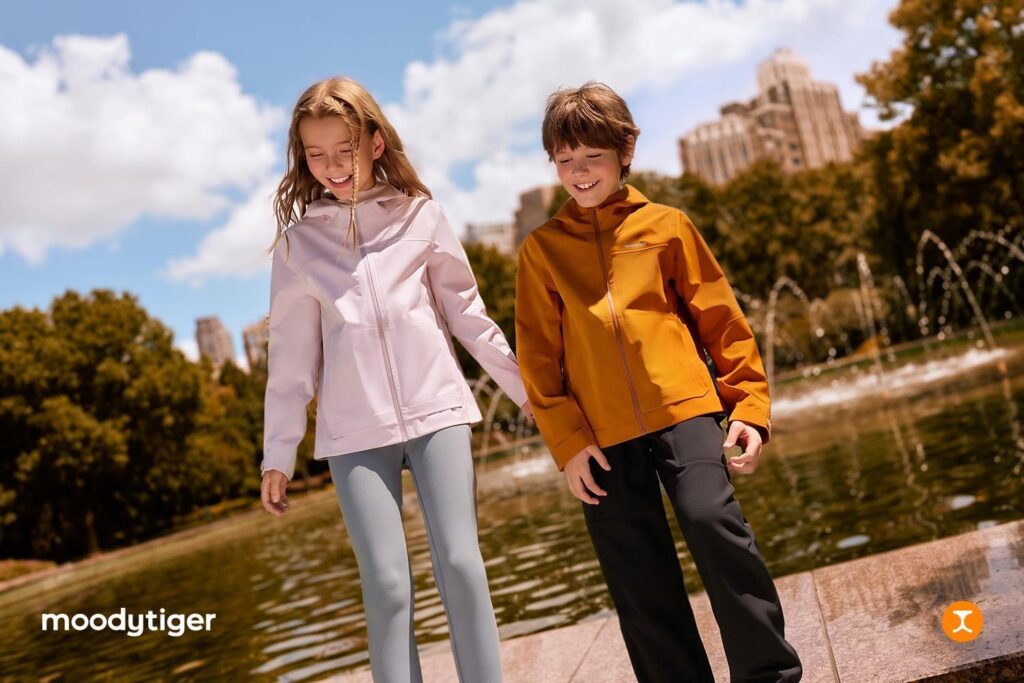
Here is a simple game plan, built around timing, sizing and the way kids actually move through a winter.
Why activewear deserves a spot on your list
Toys get outgrown in interest long before they’re outgrown in size. Gadgets come with screen-time negotiations. Activewear is different: it has a job to do every day. It goes to school, to the park, to after-school practice and to the Saturday morning that turns into a bike ride. That daily rotation is exactly why it’s worth buying well, and exactly why a good sale matters more here than almost anywhere else.
It’s also a category where quality shows up quickly. A pair of leggings that bags at the knees after three washes, or a jacket so stiff your child refuses to zip it, isn’t a bargain at any price. Black Friday is the moment when the pieces that hold up become affordable enough to buy in the quantities a growing, moving kid really needs.
Phase one: before you buy anything, make the list
The most useful Black Friday work happens before the sale weekend, and it takes about twenty minutes.
Start with a closet audit. Pull out everything your child wears to move in: leggings, joggers, tees, layers, jackets. Put aside anything that’s too short in the leg or sleeve, anything with worn-through knees, and anything that’s simply never chosen. What’s left tells you two things: what your child already loves, and where the gaps are.
Next, measure, don’t guess. Height, chest and inseam take two minutes with a soft tape, and they are far more reliable than the size on last year’s label. Note them on your phone, along with shoe length if footwear is on the list. Most brands publish size charts by height, and having real numbers turns a stressful decision into a quick one.
Finally, write the list by job, not by item. “Something warm for the walk to school.” “Leggings she can wear to gymnastics and then straight to dinner.” “A layer that fits under the big coat.” Shopping by job keeps you from buying three nearly identical hoodies because they all happened to be on sale.
Phase two: the early-bird window, buy the essentials
Many brands now open their holiday season early, and it’s worth subscribing to get the first word. This year moodytiger’s Black Friday opened early: an early-bird phase is already running on its season page through November 20, with multi-buy savings applied automatically at checkout, and the full Black Friday window runs from November 21 through December 1. Members of the brand’s Moody Miles Club, and anyone who subscribes for Black Friday updates on that page, hear about the window first. The early-bird window is where you buy the essentials: the pieces with a daily job and a known size.
Think of these as the core of your child’s winter rotation. Soft, high-stretch leggings or joggers that work for school and sport. A couple of breathable base-layer tops. A warm mid-layer, such as a fleece or sherpa jacket, that can be worn on its own on mild days and under a coat when the temperature drops. These are the things that sell out first in popular sizes, so there’s real value in not waiting until the weekend itself.
If you’ve been eyeing a particular brand’s Black Friday kids’ activewear, the early-bird window is also the easiest time to compare fits and fabrics calmly, before the rush, when customer-service teams are still answering questions quickly.
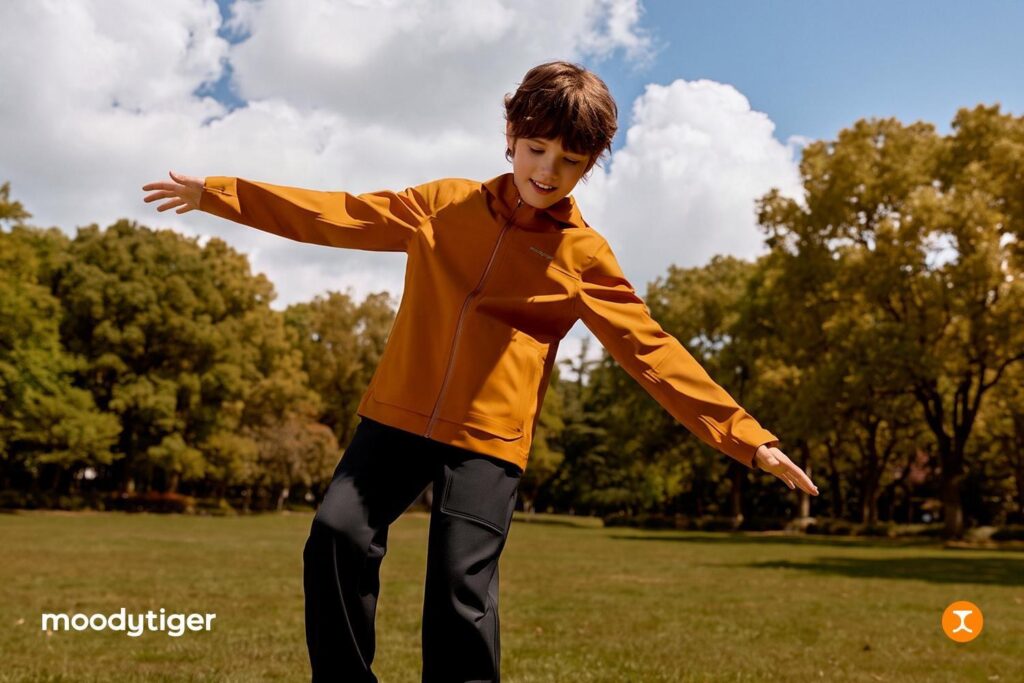
Phase three: the sale itself, think ahead and think gifts
By the time November 21 arrives, your essentials should be sorted. That frees the sale window for two kinds of purchases.
The first is the forward buy: the piece your child will need in spring or next season. A lightweight jacket for March, swimwear for a spring trip, or sneakers in the next size up. The key is to only forward-buy in categories where sizing is forgiving. A slightly roomy jacket works; shoes that are a full size too big don’t.
The second is gifts. Activewear makes a genuinely useful present, especially from grandparents and relatives who want to give something that will actually be worn. A cosy layer in a favourite colour, a pair of performance sneakers, or a matching set for a new sport all land far better than another plastic toy. Shop gifts after your essentials so you know what’s already covered.
How to size for a growing kid without sizing out
Sizing is where most Black Friday regret begins, so it’s worth a closer look.
For fitted pieces like leggings and base layers, buy for the measurements your child has today. Stretch fabrics are designed to move with the body, and a pair that’s two sizes too big will sag, bunch and get left in the drawer.
For layers and outerwear, it’s reasonable to size up by one if your child is between sizes or in the middle of a growth spurt. Jackets with a little room through the shoulders are easier to wear over other layers, and a sleeve that’s slightly long can be cuffed for a few months.
For footwear, follow foot length and leave roughly a thumb’s width of room at the toe. Resist the temptation to buy a size and a half up “to grow into.” Kids who move a lot need shoes that hold the foot, not ones that slip at the heel.
And whatever you buy, check the returns window before you check out. Black Friday is not the week to discover a final-sale policy.
What to look for in pieces that last the season
A good price on the wrong product is still the wrong product. When you’re comparing options, a few details are worth your attention.
Stretch and recovery. Leggings and pants should stretch in every direction and return to shape. If the fabric stays stretched out when you pull it, it will bag at the knees by January.
Breathability. Active kids heat up fast and cool down fast. Layers that let warmth out when they’re running and hold it in when they stop are far more comfortable than a single heavy coat. A well-chosen cold-weather kit for kids is three light layers that work together, not one heavy one that comes off at the first sprint.
Easy care. Activewear lives in the washing machine. Look for fabrics that dry quickly and resist pilling, and check care labels before you buy anything that needs special handling.
Movement-friendly construction. Flat seams, a waistband that stays put, and cuffs that don’t ride up all matter more than they look on a product page. If your child can climb, crouch and spin in it, it’s earning its place.
A calmer way to shop the biggest sale of the year
Black Friday works best when it’s an errand rather than an event. Make the list first, buy the essentials in the early-bird window, and save the full window for forward buys and gifts. Measure instead of guessing, size for the fit rather than for the future, and choose pieces built for the way kids actually move.
Do that, and the payoff lasts long after the deals disappear: a winter wardrobe your child genuinely wants to wear, fewer returns in December, and more time spent outside, playing, rather than standing at the front door negotiating over the itchy sweater.
About moodytiger: moodytiger designs technical activewear for kids who play hard, with a simple idea at its core: stay in the play. Founded by Zoe Ng, the brand pairs soft, high-stretch fabrics with thoughtful construction, and is growing its retail footprint across Asia, the Middle East and the US. Learn more at moodytiger.


Leave a Reply