
 Author:
You come downstairs for a glass of water after a long afternoon of holiday baking with the kids, flip on the kitchen light, and something brown darts under the stove. Suddenly every cookie crumb, every forgotten juice box, and every Goldfish cracker under the booster seat looks like a dinner invitation.
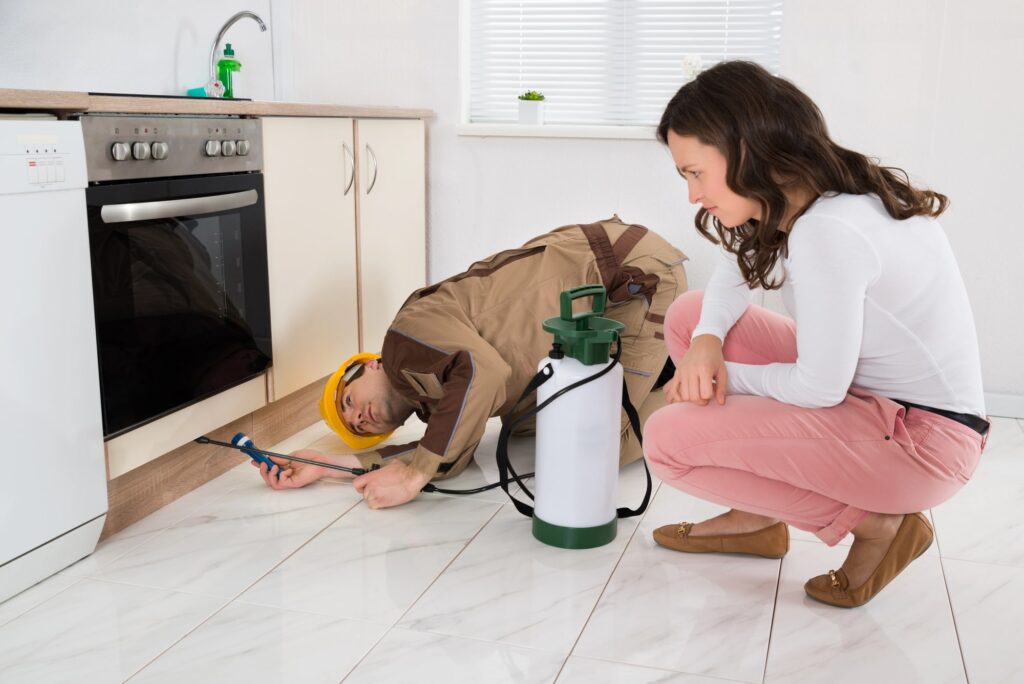
The honest answer to can I get rid of roaches without an exterminator is yes, often, as long as you catch the problem early and take away the food, water, and hiding spots that drew roaches in. In a busy family kitchen, prevention does most of the work. It also costs far less than treating an infestation later.
Why a roach-proof kitchen matters for little ones
The trouble goes beyond the shock of seeing one. Roach droppings, saliva, and shed skins break down into fine particles that settle into dust, and those particles are a well-known trigger for allergies and asthma. Children who spend a lot of time on the floor get the most exposure.
According to NIH, a December 2025 study found that between 29% and 40% of the asthmatic and allergic patients examined were sensitized to cockroach allergens, and most of them were also sensitized to house dust mites.
| Finding | What the research showed |
|---|---|
| Allergy patients sensitized to cockroach allergens | 29% to 40% of asthmatic and allergic patients studied tested positive |
| Co-sensitization with dust mites | Most cockroach-sensitized patients were also sensitized to house dust mites |
| Average cockroach-specific IgE level | 2.1 kU/L on average, ranging from 0.1 to 25.8 kU/L |
| Most common allergens in children with asthma | House dust mites and cockroaches, according to the study’s review of South Asian regions |
The dust mite overlap is good news for busy parents. Regular vacuuming and less clutter keep roaches out, and the same two habits shrink the dust where both kinds of allergens collect.
Kitchen habits that leave roaches nothing to eat
Roaches can live for weeks on almost nothing, so aim for a kitchen with truly nothing. Start with an evening reset. Before bed, wipe the counters and stovetop, sweep under the table and high chair, and run or rinse the dishes instead of leaving them to soak overnight.
Then look at the pantry. Roaches chew easily through cardboard cereal boxes, paper flour sacks, and half-rolled bags of chips. Move those staples into glass jars or snap-lid plastic containers, and baking day with the kids gets tidier as a bonus.
Pet food counts too. A dog bowl left full on the floor all night is the easiest meal in the house. Feed pets at set times, pick up leftovers within an hour, and keep kibble in a sealed bin.
Tape a short nightly checklist inside a cabinet door so the whole family can pitch in:
- Wipe counters, the stovetop, and the area around the toaster.
- Sweep or vacuum under the kitchen table and any booster or high chair.
- Empty the sink and leave it dry, with no standing water in the drain stopper.
- Take out kitchen trash if it holds food scraps, and keep a tight-fitting lid on the can.
- Put pet bowls and any open snacks away for the night.
Then check the places kids leave their own trail. Playrooms, minivans, and backpacks can hold enough crumbs to feed a small roach colony. Shake out lunch boxes every afternoon and vacuum the car seats once a week.
Close the doors roaches use to get inside
A spotless kitchen can still attract roaches if they have an easy way in and a damp place to settle. On a Saturday morning, grab a flashlight and walk the house. Check where pipes enter the walls under the sink, the gaps around baseboards, and the space beneath exterior doors.
Most fixes take a weekend. A tube of silicone caulk seals small cracks along backsplashes and baseboards. Steel wool stuffed around pipe openings blocks larger gaps. A new door sweep, about ten dollars, closes that sliver of daylight under the back door. Patch torn window screens while you’re at it.
Water draws them as surely as food. Fix the slow drip under the bathroom sink, run the exhaust fan during showers, and wipe up the puddle that forms under the fridge’s drip tray. In basements and laundry rooms, a dehumidifier makes the space far less inviting.
Clutter gives them cover. Stacks of grocery bags, piles of cardboard boxes from online orders, and bins of craft paper in the garage all make cozy nesting spots. Recycle boxes promptly and keep craft supplies in lidded plastic tubs.
Gentle fixes if you spot one, and when to call a pro
One roach doesn’t necessarily mean an infestation, but it is a signal to tighten things up. Put sticky traps along walls, behind the fridge, and under the sink, then check them after a few days. They’ll show how many roaches you have and where they travel.
If the traps catch a few, move on to gel baits and enclosed bait stations. They suit families because the bait either stays inside a closed station or goes in a thin line deep in cracks, out of reach. Place them behind appliances and inside cabinet hinges, never on counters or anywhere toddlers and pets can get to them. Boric acid works well in wall voids and under appliances, but keep it away from play areas and food surfaces.
Skip foggers. They drive roaches deeper into walls, coat surfaces your kids touch, and rarely reach the hidden spots where roaches live.
Call a professional if you see roaches during the day, find droppings like ground pepper in drawers, smell something musty in cabinets, or keep catching roaches after two to three weeks of baiting. Daytime sightings usually mean the hiding places are already crowded.
Tonight, before you turn off the kitchen light, set three sticky traps along the walls near the sink, stove, and fridge. By the weekend, they’ll tell you whether your new habits are enough or whether it’s time to pick up the phone.




Leave a Reply