
 Author:
Christmas Eve dinner brings family and friends together before the excitement of Christmas morning. A thoughtful menu, a comfortable table and a sensible cooking schedule will help you enjoy the evening alongside your guests.
Start planning several days ahead, then keep the final details simple enough to manage without spending the whole celebration in the kitchen.
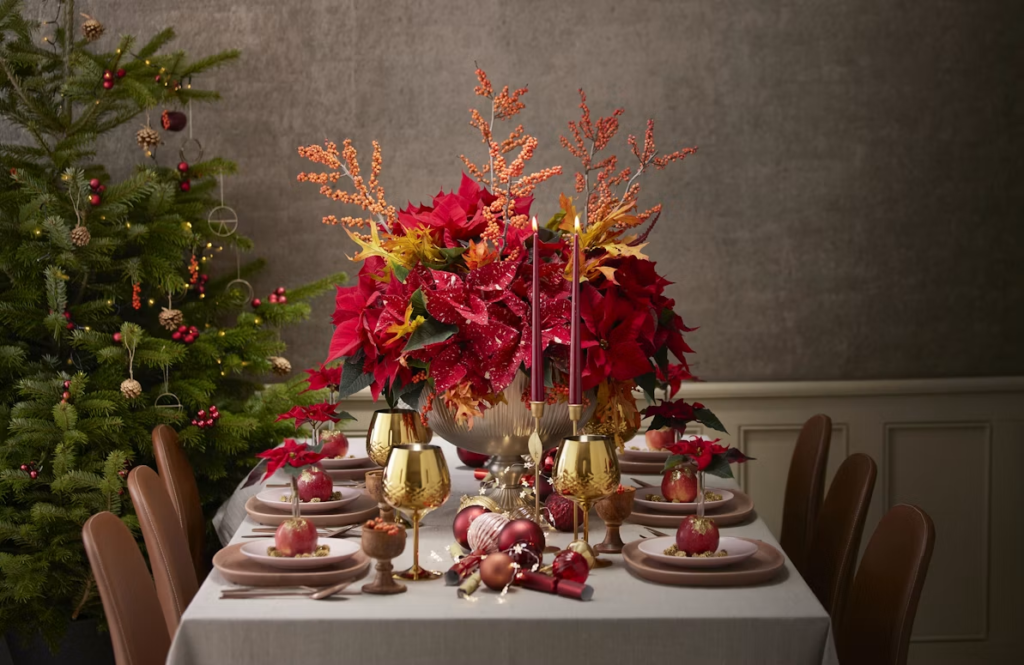
Image Credit: Unsplash
The Magic of Christmas Eve
Christmas Eve has its own gentle rhythm. Some households exchange presents, attend a service or watch a favourite film, whilst others gather for their main festive meal. Your dinner can reflect the traditions that matter to your guests without becoming a tightly packed programme.
Decide when you’d like everyone to arrive and work backwards from the serving time. For example, guests might come at 5.30 pm for drinks and small bites, with dinner served at 6.30 pm. That gives late arrivals some flexibility and allows everyone to settle in before sitting down. A written schedule for cooking, heating dishes and welcoming guests can prevent several jobs landing at once.
Plan one or two easy activities for children or guests who don’t know each other well. Decorating biscuits, sharing favourite Christmas songs or writing predictions for the year ahead can fill the time before dinner without demanding much supervision. Some Christmas Eve party ideas also include creative options that can be adapted to suit a quiet family gathering or a larger group.
Keep the evening flexible. A delayed train or an overexcited child needn’t upset the celebration if the first course can wait and the atmosphere remains relaxed.
Crafting Your Festive Menu
Choose the main course first, then build the rest of your Christmas Eve menu around its flavours and cooking requirements. A centrepiece that cooks at a predictable temperature makes timing easier, especially when you have several side dishes competing for oven space.
Fish can provide an elegant alternative to heavier festive fare. An Ora King Salmon fillet suits a home-delivered seafood menu and can be served with roasted baby potatoes, lemony green vegetables and a fresh herb sauce. Before ordering any perishable ingredient online, check the delivery date, storage instructions and number of portions you’ll need.
Balance richness with freshness. If your main course includes butter or cream, begin with a crisp salad, vegetable soup or citrus-based starter. Side dishes such as roasted carrots with thyme, braised red cabbage and green beans with toasted almonds add colour without requiring complicated preparation. For further inspiration, browse these festive dinner ideas and note which elements can be prepared ahead.
Ask guests about allergies and dietary needs before finalising the menu. One adaptable side dish can often serve several people. A tray of roasted root vegetables, for instance, may suit vegetarian and gluten-free guests when you use suitable seasonings and keep sauces separate.
Limit the menu to dishes you can manage comfortably. One starter, a main course with two or three sides and dessert will feel generous when portions are well judged.
Why Fresh Ingredients Matter
Fresh ingredients give a simple festive menu brighter colour, better texture and clearer flavour. This means you can use straightforward recipes and spend less time correcting bland dishes with heavy sauces or excessive seasoning.
Shop in stages so delicate produce doesn’t sit in the fridge for too long. Pantry goods, serving crackers and table supplies can be bought well ahead. Root vegetables and firm fruit usually come next, whilst leafy greens, fresh herbs and seafood should be collected or delivered closer to the meal. Check each product’s storage guidance and arrange chilled items promptly when they arrive.
Pay attention to how ingredients look and feel. Herbs should appear vibrant, salad leaves should be crisp and vegetables should feel firm. If you’re buying fish, use a reputable supplier and keep it at the correct chilled temperature until cooking. Store raw ingredients in sealed containers and away from foods that will be served without further cooking.
Preparation also affects freshness. Wash and dry salad leaves earlier in the day, but add dressing shortly before serving so they stay crisp. Cut herbs near the end of cooking and use citrus zest at the last moment to preserve its fragrance. Potatoes and root vegetables can be peeled in advance if stored correctly, giving you more time when guests arrive.
Have one backup ingredient on hand for each delicate part of the meal. Frozen green vegetables, a spare lemon or an extra carton of cream can solve a small kitchen problem without changing the whole menu.
Setting the Perfect Table
A welcoming Christmas table should look festive while leaving enough room for plates, glasses and serving dishes and you can find inspiration for Scandi Christmas style to help with your decorating. Start with a clean tablecloth or runner, then choose two or three colours that work with decorations you already own. Deep green, warm white and natural wood create a traditional look, whilst silver, navy and glass feel a little more formal.
Keep the centrepiece below eye level so guests can talk comfortably across the table. A short arrangement of evergreen branches, pine cones and battery-operated lights adds seasonal interest without taking over the dining area. If you use candles, place them securely and keep greenery, napkins and loose decorations well clear of the flame. Unscented candles are the better choice around food because strong fragrance can compete with the meal.
Set out only the cutlery and glasses people will use. Crowding every place with extra pieces makes a smaller table feel cramped. A folded napkin, handwritten name card or tiny sprig of rosemary can give each setting a personal touch at little cost.
Think about comfort as carefully as appearance. Check that chairs are stable, leave a clear route to the kitchen and place water within easy reach. If serving dishes won’t fit on the table, create a side station on a console or kitchen counter.
Finish the table several hours before guests arrive. You’ll then be free to concentrate on cooking and won’t have to search for missing glasses at the busiest point of the evening.
Simple, Elegant Dessert Ideas
Dessert should feel special without creating a final rush in the kitchen. Make-ahead puddings are particularly useful because they can be portioned, chilled or assembled before dinner begins.
Individual chocolate pots topped with raspberries look polished and need only small servings after a full meal. A citrus posset offers a lighter option, especially when paired with shortbread or almond biscuits. For a warm dessert, prepare an apple and cranberry crumble in the morning, refrigerate it and put it in the oven as the main course ends.
A festive pavlova can also work well for a group. Bake the meringue shell the previous day and store it in an airtight container, then add softly whipped cream and fruit shortly before serving. Pomegranate seeds, sliced pears and clementine segments provide seasonal colour. If time is tight, arrange shop-bought mince pies on a stand and serve them warm with good vanilla ice cream.
Offer tea and coffee after dessert, giving everyone time to linger at the table. A small plate of chocolates or fresh fruit is enough for guests who want one last bite.
Before sitting down for dinner, put dessert plates and spoons in an accessible place and clear a shelf in the fridge for leftovers. Once the crumble is warm or the pavlova is topped, bring it straight to the table and let that shared final course carry the evening towards Christmas Day.



Leave a Reply