
 Author:
 A vintage find can capture the character of a place in a way that mass-produced souvenirs rarely do. An old café cup, embroidered linen, or a small landscape painting carries its own history and can bring a personal touch to your home.
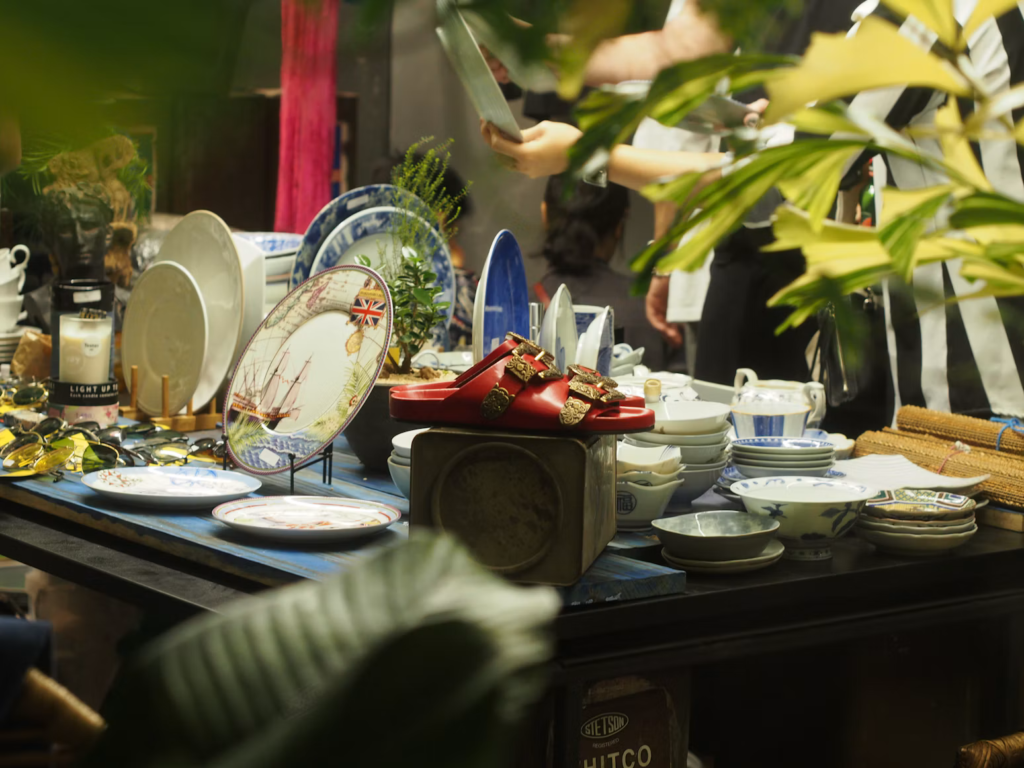
Image credit: Unsplash
Shopping for vintage pieces while traveling does require some practical thinking. You need to know where to look, how to judge an item, and how to get it home safely. These tips will help you shop with confidence while keeping your suitcase, budget, and decorating plans in mind.
Discovering Hidden Gems Abroad
Start your search before you leave home. Look beyond major antique stores and search for flea markets, charity shops, secondhand stores, and neighborhood markets near your hotel. Local tourism sites, community event calendars and social media pages can help you spot markets that only operate on certain mornings.
Ask people who live in the area where they shop for old household goods. Hotel staff, café owners and independent shopkeepers may know about a monthly market or a street lined with small resale stores. Learn a few local words for flea market, antique, and secondhand so you can recognize handwritten signs.
Early morning is best for serious browsing, while the final hour may bring more flexible prices. Walk through the entire market once before purchasing anything expensive. That first pass helps you compare prices and notice which vendors specialize in the kinds of pieces you like.
Keep a short wish list on your phone. Include measurements for shelves, tabletops, and empty wall spaces at home. A 12-inch platter may seem modest at a market, yet it can feel surprisingly large when you try to fit it into a kitchen cabinet.
Packing Delicate Treasures Safely
Leave a little room in your suitcase before the trip begins. A collapsible tote gives you an extra bag for clothing, which frees the sturdier suitcase for fragile purchases. Pack a few lightweight supplies such as resealable bags, tissue paper, and a roll of removable tape. Inflatable protective sleeves are another useful option because they take up almost no room when empty.
Wrap each delicate object separately. Place tissue or a clean cloth against the surface, then add a thicker layer using socks, scarves, or a sweater. Avoid putting adhesive tape directly on glazed pottery, painted wood, or old paper. Tape can lift a fragile finish or leave residue that’s difficult to remove.
Before repacking in a busy city, give yourself enough space to work. Travelers asking where can I store bags in Copenhagen can use a bookable local storage location while visiting markets, then collect their luggage before departure. That keeps you from dragging a full suitcase through crowded aisles and gives you time to arrange new purchases carefully.
Place heavier objects at the bottom near the suitcase wheels. Set breakable pieces in the center and surround them with soft clothing on every side. Fill hollow vessels with rolled socks or tissue so they’re less likely to crack under pressure. Once the suitcase is packed, gently press the top. If you can feel an object immediately beneath the fabric, add another layer of padding before closing it.
Navigating Markets with Ease
Carry cash in small denominations because some market vendors don’t accept cards. Keep it divided between two secure places and set a spending limit before you arrive. A simple note on your phone can track each purchase, especially when you’re converting between currencies throughout the day.
Inspect an item in natural light whenever possible. Check ceramics for hairline cracks, examine fabric for stains, and look at wood for fresh repairs or loose joints. A small flaw can add charm, but structural damage may make an object difficult to transport or display. Smell upholstered pieces and old books too, since strong musty odors can linger after you return home.
Ask vendors what they know about the piece, but treat verbal histories as interesting context unless documentation supports them. Terms such as “old,” “vintage,” and “antique” may be used loosely. Buy something because you enjoy its design and can picture using it, not solely because a seller gives it an impressive date.
Friendly bargaining may be accepted in some markets and frowned upon in others. Watch how local shoppers interact before making an offer. If negotiation seems appropriate, ask politely if the vendor has a best price. Bundling two or three items can give the seller a practical reason to offer a modest discount.
For trips by car, map several stops along the route and leave room for unplanned detours. Smaller towns and roadside shops can lead to unusual souvenirs outside the busiest tourist areas.
Shipping Your Finds Home
Shipping makes sense when an item is too large, heavy, or delicate for your luggage. Before paying, ask the seller for packed dimensions and weight. Shipping prices often depend on the size of the box as well as its weight, so a light but oversized lampshade may cost more than expected.
Request double-boxing for fragile ceramics, glassware, and framed pieces. The wrapped object should sit inside a sturdy box with cushioning on every side. That box then goes inside a larger one with another layer of protective material. Photograph the item before it’s packed and take another photo of the completed package and label. Those images can support a claim if damage occurs in transit.
Choose tracking and keep the receipt until the package arrives. Ask what level of coverage is included and whether extra coverage is available. For a valuable purchase, use a shipping company that regularly handles antiques and can explain its packing process clearly.
International shipments may require a description of the contents, their value, and their country of origin. Rules vary by destination and material. Items made with soil, untreated plant matter, or protected natural materials can face restrictions, so check current customs guidance before buying. Very old cultural objects may also require export paperwork.
Get a written quote before agreeing to a purchase that must be shipped. Include packing, pickup, coverage, customs fees, and possible delivery charges in your budget. If those costs exceed the price of the object, take a photo and enjoy the memory instead. For readers who enjoy building travel around the search itself, these treasure-hunting travel ideas can inspire future stops while leaving room for practical shipping decisions.
Displaying Your Unique Souvenirs
Give each new find a gentle cleaning before placing it in your home. Use methods suited to the material and start with the least aggressive option. A soft, dry brush may be enough for carved wood, while old textiles might need advice from a professional cleaner. Avoid soaking an unfamiliar item or using strong household products that could remove patina, dye, or painted details.
Create a display that connects the object to your existing decor. Vintage textiles can also be turned into decorative pieces, as shown in this doily wall art project using finds from yard sales and antique stores. A tiny brass frame can join a group of family photographs, while a transferware plate can sit on a shelf with books and greenery. A worn wooden box might hold remote controls or stationery, giving it a useful role without hiding its age.
Grouping finds by color can make pieces from different places feel related. Blue pottery from one trip may sit beautifully beside blue-and-white linens found somewhere else. You can also arrange objects by theme, such as small landscapes, botanical prints, or café pieces. Leave a little open space around the group so each item remains visible.
Keep a note about where and when you found special pieces. Slip it behind a frame, tape it to the underside of a box with archival-safe material, or store it in a digital album. That record adds personal history without changing the object.
Mixing baskets, ceramics, and other French vintage treasures with pieces you already own can make a display feel collected over time rather than overly styled. The best arrangement may be simple: one market find placed where you’ll see it every day, still carrying the memory of the street where you discovered it.



Leave a Reply