
 Author:
The school clothes shop usually happens in a hurry, about a week before term starts, and the child stops enjoying it after the first ten minutes.
It goes much better as a short, staged process, and it costs less too, because most overspending comes from rushing without knowing what’s already in the drawer.
Here’s the order that works, and you can spread it across a couple of weekends instead of one long afternoon.
Start by Emptying the Drawers
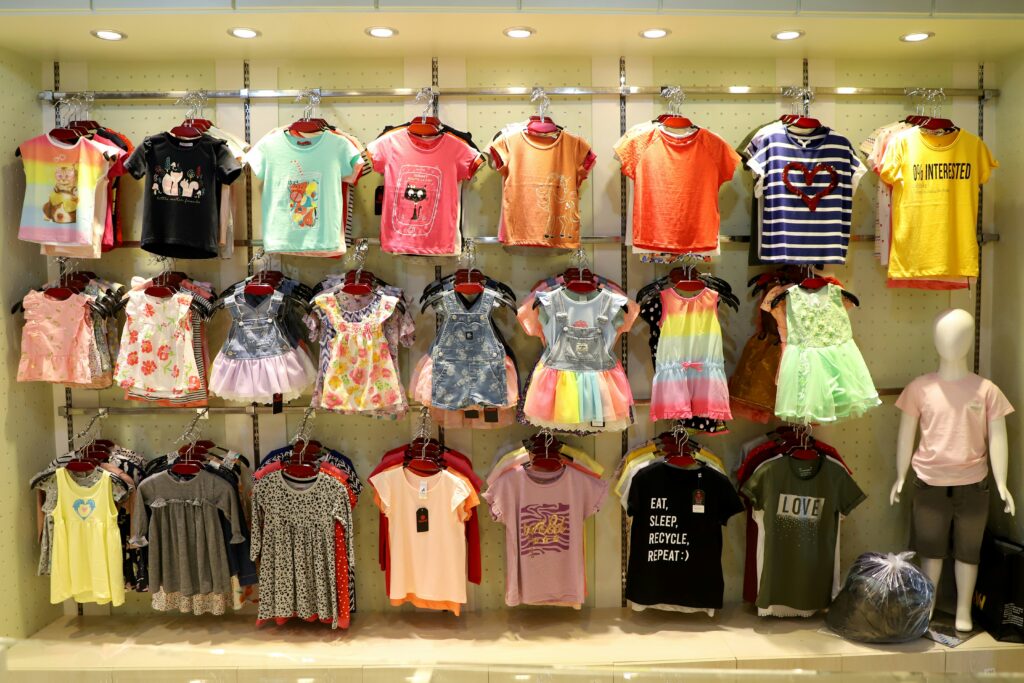
Don’t buy anything until you know what survived the last year, which means taking everything out and having the child try on anything you’re unsure about.
Sort it into three piles: things that still fit, things to keep for a younger sibling, and things to sell, donate, or pass along. Be firm about the middle pile, since clothes stored for a child three sizes behind usually go out of date before they’re needed.
Write down the gaps as you go, because that list is the whole shopping trip, and it’s almost always shorter than a store display would have you believe.
Check the Fit of the Things That Matter Most
A few items need measuring, not guessing, because that is where the money gets wasted.
Shoes come first, so measure both feet late in the day when they’re at their largest and leave about a thumb’s width of room at the front. Then check the uniform items that must fit properly: the pants waist, the skirt length, and the shirt collar, since a school will comment on these.
Coats and sweaters can run a size up without trouble, since a bit of room is useful rather than a problem.
Buy the Everyday Pieces First
The things worn almost daily deserve the budget and the attention, and everything else can wait.
Five shirts or polos, two or three pairs of pants or skirts, a sweater or two, a week of socks and underwear, a coat and two pairs of shoes will cover most children for a term. Dark colors hide more than pale ones, and a fabric with a little stretch survives more washes than thin pure cotton at the same price.
Sports kit is easy to overlook until the night before the first lesson, so check the school’s requirements and get it ready early. Once you know what’s allowed, let your child have a say in the shoes. Whether they’ve set their heart on a pair of kids’ Jordan 4 or another sneaker, the pair should fit comfortably and suit the activities they’ll be doing. Finding an option they’re excited to wear can make getting ready for that first lesson a little easier.
Read What the School Actually Requires
Uniform rules change more often than people expect, and nobody enjoys finding that out in week two.
Check the current list on the school website rather than relying on last year’s memory, and focus on the details that trip families up: shoe color, whether sneakers are allowed, logo requirements, jewelry rules, and whether the sports kit has to be branded.
It’s also worth asking what the school sells secondhand, since many run a uniform exchange and the branded items are the expensive part of the whole wardrobe.
Fill the Gaps Secondhand Where You Can
Children’s clothes are the best thing on the resale market because most are given up long before they wear out.
School uniform in particular turns up barely used, through school exchanges, local selling groups, charity shops and other families a year ahead of yours. Buying the plain items new and the branded ones secondhand is the combination that saves the most without anybody noticing.
Shoes are the exception, as a used pair has already been shaped by somebody else’s feet, so those are worth buying new and fitted.
Label Everything and Keep the Receipts
Two small jobs at the end save real money over the year.
Name labels on the coat, sweater, sports kit, water bottle, and shoes take twenty minutes and stop good clothing from slowly disappearing into the lost-property pile. Keep the receipts and the tags on anything that might not get worn until October, since plenty of stores will exchange for a larger size later in the term.
Then set a reminder for the February half term to check the fit again, because that’s when shoes and pants quietly stop fitting and nobody mentions it until the morning it matters.
Let Them Choose Something
The last step makes the rest go smoothly, and it costs nothing.
Let the child pick one or two things within the rules, whether that’s the backpack, the sneakers, the color of a hoodie, or a lunch bag. Children who choose part of their own kit look after it better and complain about the rest far less.
Do the whole check-over in two short sessions, and you’ll spend less than a single panicked trip would have cost, with a wardrobe that fits, meets the rules, and should hold up until spring. The February check is the only thing left to remember, and a phone reminder takes care of that.



Leave a Reply