
 Author:
There are so many homeschool resources out there that choosing what to use can become a project all by itself. Between the books, workbooks, websites, and curriculum options, it’s easy to end up with a very long wish list!
For me, I like a mix. I love using engaging books to tie in with the topics we’re exploring, workbooks for focused practice, and online resources when a little extra explanation or structure would help. And some of the most valuable support doesn’t come from something you can buy at all. Finding other local homeschool families can make such a difference.
If you’re looking for ideas, these are some of my favorite homeschool resources, along with a few simple ways to make them work for your family. Some are UK based, some US based but there’s plenty here to explore wherever you’re learning.
Engaging Books That Bring a Topic to Life
Books are always going to be near the top of my list. I love finding a really engaging book that connects with whatever topic we’re learning about, whether that’s space, ancient civilizations, animals, or a particular historical event.
A good book gives you so much to work with. You might start by reading a few pages together, then find yourself looking up a place on a map, talking about an unfamiliar word, or following a question that hadn’t even occurred to you when you opened it.
Publishers like DK (Dorling Kindersely) are among my favorites for this kind of learning. I love books with plenty of pictures, clear explanations, and interesting details that encourage kids to stop and take a closer look. The DK anthologies series are all absolutely gorgeous and so inviting.
You don’t have to read every book from cover to cover, either. Sometimes a few carefully chosen pages are exactly what you need to introduce an idea or answer a question.
Mix Fact Books With Stories
I also like the idea of pairing nonfiction with a story connected to the same subject. A fact book can explain what happened, while a story can help children imagine what life might have felt like.
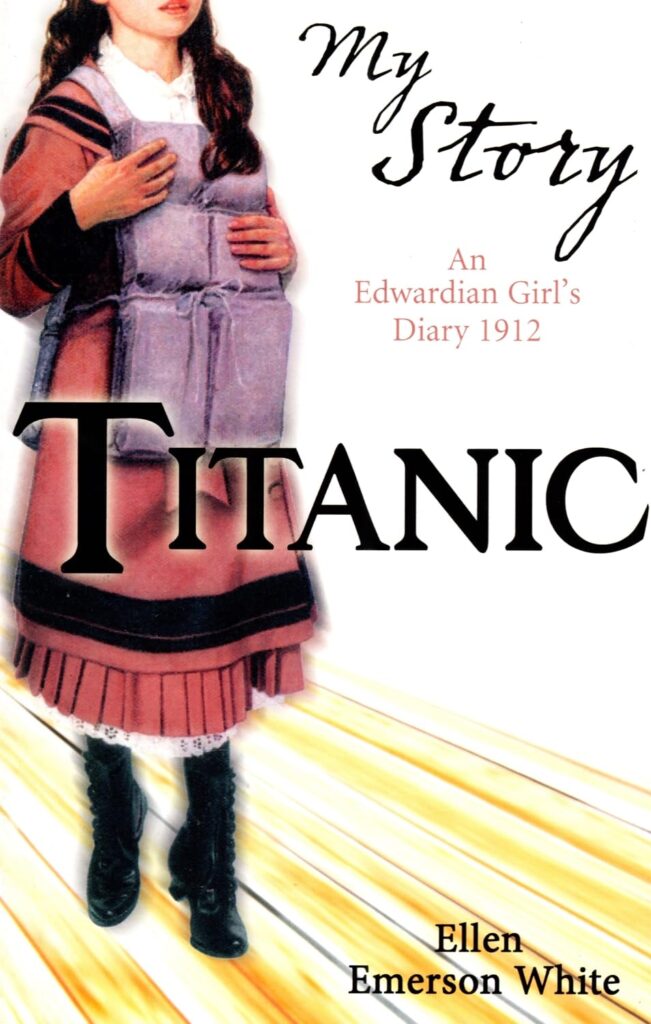
For a topic about the Titanic, for example, you could combine an illustrated information book with historical fiction, a map of the journey, and a discussion about the people on board. For a nature topic, you could bring together an animal encyclopedia, a picture book, and a walk outdoors.
We have been using this series of historical diaries, which is a great way to bring history topics to life.
It doesn’t need to become a huge project. One good book, a conversation, and a simple activity can be plenty.
CGP Workbooks for Focused Practice
I love the workbooks from CGP Books. When you want to sit down and work on a particular skill, it’s helpful to have something ready to open and use.
As much as I enjoy creative projects and learning through our interests, I also appreciate having a straightforward way to practice the basics. A workbook can give that part of the day a little structure without needing lots of preparation.
My preference is to use workbooks alongside other learning. You might explore a math concept using objects or a game, then complete a few questions to see how it’s coming together. Or you could use an English workbook to practice a skill before trying it in a piece of writing.
There’s no need to turn every session into a race to finish pages. A short stretch of thoughtful practice can be more useful than pushing through when everyone has had enough.
When choosing a workbook, look at the sample pages and what your child is ready to work on. The level that helps them build confidence is more useful than a particular number on the cover.
The Good and the Beautiful for Free Homeschool Curriculum
The Good and the Beautiful is a great option if you’re looking for a structured homeschool curriculum without a big upfront cost. It’s Christian focused and offers free PDF downloads of its full kindergarten through eighth-grade math and language arts courses. Printed books and some additional resources cost extra, but the free downloads give you plenty to work with. You can use them as your main curriculum or pick out lessons to supplement what you’re already doing. I love having options like this available because you can explore the materials and see how they fit your child before spending money on printed copies.
IXL for Extra Math and English Practice
IXL is another useful online resource for adding focused practice to your homeschool routine. This app covers math, science and English if you subscribe to all three subjects, with skills organized by year group and topic, making it easy to find something connected to what your child is learning.
Its personalized recommendations can help you decide what to work on next, too. I’d use it for short, manageable practice sessions alongside books and hands-on activities, whether that means revisiting fractions or spending a little extra time on grammar.
Full access requires a paid membership, so it’s worth exploring the available practice before deciding whether it suits your family. Because it is so comprehensive and covers all topics, I personally find it’s worth the money. It’s less “fun” than some resources, but it’s something I really like to have.
Night Zookeeper for Creative Writing Fun
If your child loves imaginative stories and games, Night Zookeeper is a fun option to explore. It’s a paid online reading and writing program aimed mainly at ages 6–12, with games, challenges, and creative activities that practice skills such as spelling, vocabulary, punctuation, and grammar.
I love the idea of giving children an exciting reason to write, especially when a blank page can feel a little intimidating. It could make a lovely addition to your homeschool week for a child who enjoys inventing characters and adventures, or who needs a more playful way into writing.
This one is good for reluctant writers because it’s very gamified. I would definitely consider it as a fun extra, not a main piece of curriculum but it’s a good one to add if your child enjoys it.
You can also get a book series that goes along with the game, which my daughter is currently reading and enjoying
Blossom & Root for Creative Curriculum Ideas
Online curriculum resources can be a great starting point when you want some direction without planning every activity from scratch.
Blossom & Root is an option to explore if you enjoy learning through books, nature, art, and hands-on activities. Its approach brings those elements together, which appeals to me because I love connecting a topic with different kinds of learning.
One thing to know is that the full Blossom & Root curriculum is paid, although there are free samples and a free Book Seeds trial available. Those are useful places to start if you want to get a feel for the approach before purchasing anything.
Depending on what suits your family, you could use a curriculum as your main framework or choose materials to supplement what you already do.
I like having that flexibility. A plan can give you ideas and a starting point, while still leaving room to spend longer on something your child finds fascinating.
The £2 Tuition Hub for Online Learning
For UK-based families, The £2 Tuition Hub is another resource to have on your list. It was created by home educators and offers affordable online tuition, with classes advertised at £2. Check the details for the particular class or course you’re interested in when booking.
An online class can be helpful when your child would benefit from hearing an explanation from someone else, or when you’d appreciate a little support with a particular subject.
Sometimes a different way of explaining something is what makes it click. It can also be nice to have a planned activity in the week that you don’t have to prepare yourself.
I’d start with something that meets a specific need or catches your child’s interest. You don’t have to fill the whole week with classes for them to be useful.
Even though it’s UK based there is no reason other families can’t use it, the live classes may not fit your schedule but you can use the recordings and you also may like the pre-recorded learning shows. The prices here are great, so it’s definitely worth looking at. We have done classes on fun topics like Taylor Swift and Shakespeare, and persuasive writing to advertise a holiday home, as well as taking maths classes with this company.
Oak National Academy for Free Learning Resources
Oak National Academy is a useful UK-based option if you’re looking for free learning materials. Its resources are aligned with England’s national curriculum, and it offers curriculum plans and teaching resources across a range of subjects. There’s also a pupil area for accessing lessons.
For home learning, I like the flexibility of being able to find support for a particular topic. Perhaps you want another explanation of something you’ve been working on, or you want a clearer idea of how a subject could progress.
You could use a lesson to introduce a topic, revisit something tricky, or add structure to a subject you feel less confident teaching.
Because Oak follows England’s curriculum, keep that in mind if you’re based elsewhere in the UK or overseas. You can still look for useful individual resources without needing everything to match your own learning plan.
Having free options like this available is helpful, especially when you’re working out which resources are worth buying and which needs you can meet without spending anything.
Mark Rober’s Free STEM Curriculum at Class CrunchLabs
If your kids enjoy Mark Rober’s videos, Class CrunchLabs is another free resource to explore. Created for grades 3–8, it combines engaging science videos with hands-on challenges to get children thinking, experimenting, and solving problems. The free curriculum is available to homeschool families as well as schools, making it a useful option for adding STEM activities to your week. I love the idea of taking that excitement from watching a video and turning it into something kids can try for themselves. You could use it alongside a science topic you’re already exploring or make space for a regular science afternoon!
Local Homeschool Groups Are One of the Best Resources
If there’s one thing I would really encourage you to do, it’s join local homeschool groups.
Books and websites are useful, but finding people nearby who understand home education can make such a difference. It gives you somewhere to ask questions, hear about activities, and connect with families who are figuring things out too.
Local groups can help you discover things that might otherwise be easy to miss:
- Regular meetups and park days.
- Home education sessions at museums or other venues.
- Group trips and workshops.
- Clubs that take place during the school day.
- Secondhand books and resources.
- Opportunities for children to make friends.
And the friendships aren’t only for the kids. Having another parent to chat with, share ideas with, or ask, “Have you found anything that helps with this?” can be incredibly reassuring.
Try searching for your town, county, or nearest city alongside “home education” or “homeschool group.” Local Facebook groups can be a useful starting point.
Every group has its own feel, so don’t worry if the first one you try isn’t quite right. A small, relaxed meetup might suit your family better than a busy organized session, or the other way around.
Don’t Forget Your Local Library
With so many lovely books available to buy, it’s easy to overlook one of the most useful places to start: the library.
Borrowing books lets you explore a new topic without committing to a whole stack of purchases. It’s also a good way to see which kinds of books your child actually enjoys before buying something to keep.
You could choose a few books around a current interest, then let your child pick something completely unrelated. That unexpected choice might become the next thing you explore together.
Ask what else your local library offers, too. Depending on where you live, there may be digital borrowing, audiobooks, activities, or a reservation service for books held at other branches. We just attended a free creative writing class at one of our libraries, and they also hold book clubs which is great!
How to Bring These Resources Together
You don’t need to use every resource every day. I’d aim for a combination that makes learning feel manageable and gives you room to enjoy it.
For example, a topic about space could include:
- An engaging book to introduce planets and the solar system.
- An online lesson to explore one question in more detail.
- A little workbook practice for math or English.
- A drawing, model, or piece of writing connected to the topic.
- A trip or activity with other local homeschool families.
That could happen across several days or longer. There’s no need to squeeze everything into one afternoon.
I also wouldn’t try to make every subject fit the theme. Some things connect naturally, and others are easier to work on separately. A topic should give you ideas, rather than extra pressure to make everything match.
Start Small and Find What Works
My favorite homeschool resources are the ones that make learning easier to get started with and more interesting to keep going with.
For me, that means engaging books, useful workbooks, a few online options, and connections with other families. You don’t need an overflowing bookshelf or a subscription to everything to put together a good mix.
Start with what you need right now. That might be a book about a current interest, some practice with a particular skill, or simply finding a local group where you feel welcome. You can build from there.
More Homeschooling Inspiration and Support
- Free Printable Planner for Homeschool Moms
- Which Homeschooling Method Should You Choose?
- Free Homeschool Prayer Prompts Printable
- What every family should know before homeschooling
What are your favorite homeschool resources? I’d love to hear about the books, websites, and groups you recommend. And if this post has given you some useful ideas, please share it with another home educating family or save it to Pinterest for later!




Leave a Reply