
 Author:
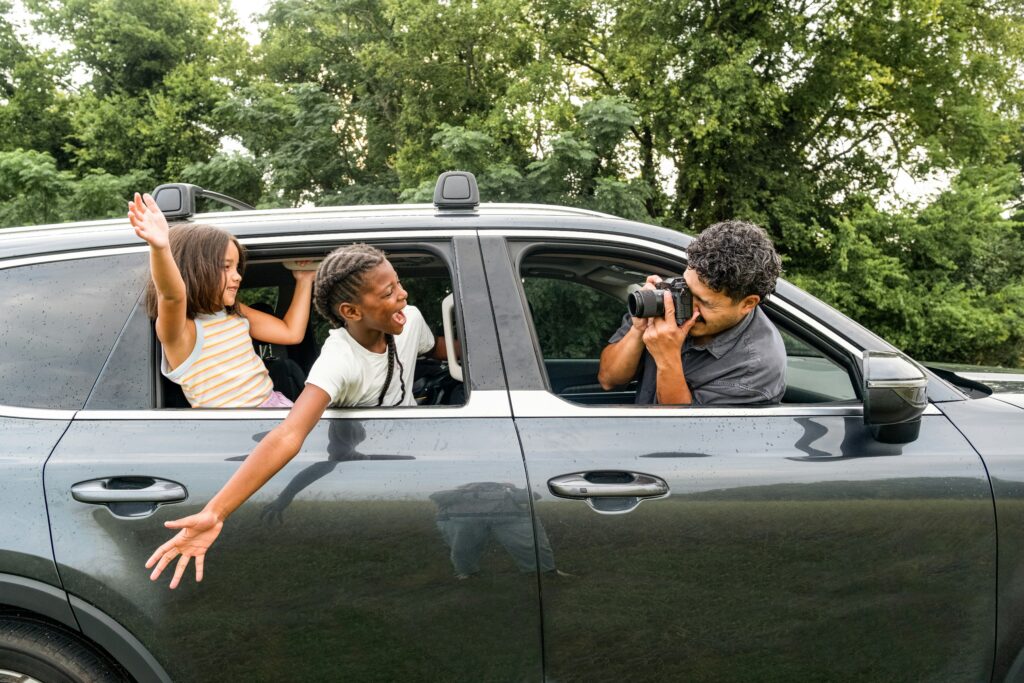
 Family road trips can create wonderful memories, from singing along to favorite songs to discovering unexpected places together. Cost savings are another factor contributing to the popularity of road trips for American families. A 2025 Forbes article cited a study showing that 60% of Americans preferred this mode of travel during the year.
According to Ruth Jennifer Cruz, a tech entrepreneur, after years of delayed flights and airport chaos, people look for predictable travel. Additionally, the cost savings are substantial, with family road trips costing 60% to 70% less than flying, despite the fuel prices. However, successful travel requires more than choosing a destination and loading the car.
Parents often remember clothes, bookings, and snacks but overlook the details that matter even more. A little preparation can prevent minor problems from becoming stressful disruptions. The goal is not to plan every moment perfectly, but to create enough flexibility to handle real life on the road. In this article, we will share a few things parents should prioritize when planning a family adventure.

Preparing the Car for the Journey
A long journey requires a well-prepared vehicle. A car that performs well during short trips may still develop problems after hours on highways, in heavy traffic, or under changing weather conditions. A road trip enthusiast shares his insights in a Southern Living article. He notes that cleaning and decluttering your car should be the first step. With a clean slate, you can fit in more stuff for the trip.
Basic safety checks are mandatory. Inspect the tires for correct pressure, uneven wear, cracks, or visible damage. Check that the spare tire is properly inflated and that the jack and tire-changing tools are available. Test the brakes and pay attention to squeaking, grinding, vibration, or a soft brake pedal. Also, top up essential fluids and check the battery, headlights, brake lights, turn signals, hazard lights, and reverse lights.
If the car is due for routine maintenance, schedule it before the trip rather than waiting until after returning home. A professional inspection may identify issues that are not obvious to an inexperienced driver. Parents should also check child safety seats carefully. Make sure each car seat or booster seat is appropriate for the child’s age, height, weight, and development.
Planning for More Than Just the Route
A route on a map rarely reflects the true pace of family road trips. Children need bathroom breaks, drivers need rest, and meals usually take longer when everyone is traveling together. Parents who plan only the driving time may create an itinerary that looks good on paper but feels exhausting. Build extra time for fuel stops, traffic, construction, restrooms, meals, and unexpected delays into every travel day.
Before leaving, identify useful stops along the route. Look for clean rest areas, family-friendly restaurants, parks, scenic viewpoints, grocery stores, and pharmacies. A short stop where children can walk, stretch, or play is better than arriving at the destination slightly earlier.
Overnight accommodations also deserve careful planning, so confirm check-in times, parking arrangements, family room availability, and whether food is accessible nearby. Keep a list of possible overnight locations instead of relying on one hotel. Flexibility is especially important when traveling with children, because illness, tiredness, and changing moods can quickly alter the schedule.
Keeping Everyone Safe and Comfortable
Families benefit from setting basic travel rules before the journey begins. Explain seat-belt expectations, safe behavior, screen-use limits, snack rules, and how children should ask for a stop. Clear expectations can prevent repeated arguments once the car is moving. Schedule regular breaks rather than waiting until everyone is uncomfortable.
Fatigue can develop gradually, so drivers should not rely solely on coffee or loud music to stay awake. If possible, share driving responsibilities. Plan a changeover before the primary driver becomes exhausted. A tired driver should stop in a safe location, rest, or sleep. Never continue simply because the family is eager to reach the destination.
Safe driving is also about keeping an eye on others on the road. Even the safest roads can have negligent drivers. For example, Toledo, Ohio, is an excellent destination for families planning a day-long road trip. According to Northeast Ohio Thrive, kids love to visit the Toledo Zoo and Aquarium, Imagination Station, The Docks, and Packo’s Café.
However, Toledo also faces significant traffic safety issues with high crash rates clustered around major intersections and fast-moving corridors. If a negligent driver causes a crash in the area, a Toledo personal injury lawyer can help families seek legal compensation.
Zoll & Kranz, LLC explains that you should gather evidence and report the accident immediately to build a solid case. More importantly, ensure that you prevent an accident in the first place. Parents should model calm and attentive driving. Avoid distractions, aggressive driving, and unnecessary arguments in the front seats.
Packing for Real-Life Family Needs
Packing for a road trip is not just about bringing enough clothing. Parents should think about what the family may need while seated in the car, during stops, and at unexpected moments. Pack snacks that are filling, reasonably healthy, and easy to eat without creating a major mess. Bring more water than the family expects to use, particularly when traveling through hot or remote areas.
Keep essential items within easy reach. Children should have a change of clothes available in the passenger area, not packed away with the main luggage. Spills, motion sickness, muddy stops, and unexpected weather can make clean clothing necessary.
A Mom of 6 article recommends a system of tote bags and bins to hold your clothes, toiletries, and other items. You can even use it in a small car. Measure the trunk space, paying particular attention to the depth, and find bins that will fit your needs. With this method, you can organize your stuff easily and find things just when you need them.
Entertainment should include variety. Download films, music, podcasts, or audiobooks before departure because mobile coverage may be unreliable. Bring books, coloring materials, travel games, and simple toys.
Do not forget medications, prescription details, glasses, comfort items, and any special dietary supplies. Carry identification, travel documents, insurance information, emergency contacts, reservation details, and copies of important medical information.
FAQs
What are the essential car checks before planning a family road trip?
Check tire pressure and condition, brakes, oil, coolant, lights, battery, windshield wipers, and fluid levels. Confirm that the spare tire, jack, emergency tools, and roadside assistance information are available. Child safety seats should also be correctly installed and securely adjusted.
How often should families take breaks during a long road trip?
Many families benefit from stopping approximately every two hours, although children’s ages, weather, traffic, and individual needs may require more frequent breaks. Use stops for bathroom visits, stretching, snacks, and driver rest. The driver should stop sooner if they feel tired, distracted, or uncomfortable.
What should parents do if an unexpected emergency occurs during a family road trip?
Move the vehicle and passengers to a safe place when possible, then contact emergency services or roadside assistance as appropriate. Keep children calm, provide first aid only within your ability, and follow official instructions. Insurance details, emergency contacts, medications, and important documents should be easy to access.
Key Takeaways
| Road Trip Planning Factor | Key Data/Recommendation |
| Americans choosing road trips | 60% preferred road trips in 2025 |
| Potential cost savings | Family road trips can cost 60%–70% less than flying, according to the cited expert |
| Family travel breaks | Plan a stop approximately every 2 hours |
| Vehicle preparation | Check tires, brakes, fluids, battery, and lights before departure |
| Emergency readiness | Keep first-aid supplies, roadside assistance details, documents, and medications accessible |
A road trip with your family may not go exactly as planned. A missed exit, an extra snack stop, or a tired child can become part of the family story later. What matters most is creating a safe, comfortable environment where everyone has time to rest, eat, and enjoy the experience. When parents leave room for delays and changing needs, they can spend less time managing stress and more time enjoying the adventure together.




Leave a Reply