
 Author:
Nobody wants to get that phone call from school. The one where a teacher explains that your child has been making fun of another student, leaving someone out on purpose, or sending cruel messages.
We spend so much time worrying about how other people will treat our children. Discovering that our own child is the one causing hurt can leave us feeling embarrassed, defensive, and unsure what to do next.
If you’re sitting there thinking, “My child is a bully. Where do I even start?” take a breath. You can love your child completely and still take their behavior seriously.
Your child needs your help to change, and the child being hurt needs the behavior to stop. Here’s how to start working toward both.
Is My Child a Bully? Signs to Take Seriously
Bullying goes beyond an argument between friends or an occasional unkind remark. It involves aggressive behavior, a real or perceived imbalance of power, and behavior that happens repeatedly or could happen again. That power might come from physical size, popularity, or having a group of friends backing someone up. [StopBullying.gov]
Perhaps your child repeatedly mocks someone’s appearance, threatens a younger child, spreads rumors, or encourages classmates to exclude the same person. Online, it might involve humiliating pictures, hurtful comments, or a group chat created to make fun of someone.
Being left out of one birthday party doesn’t automatically mean bullying. Organizing a campaign to make sure nobody speaks to a particular classmate is a different situation.
Listen for explanations like, “Everyone does it,” “It was just a joke,” or “They’re too sensitive.” These aren’t proof by themselves, but they are a reason to ask more questions.
Whether you’re wondering, “Is my son a bully?” or worrying about your daughter’s friendships, focus on specific actions rather than deciding what kind of person your child is.
“You’ve been sending messages that hurt someone” gives you something to address. “You’re a horrible kid” only adds more hurt.
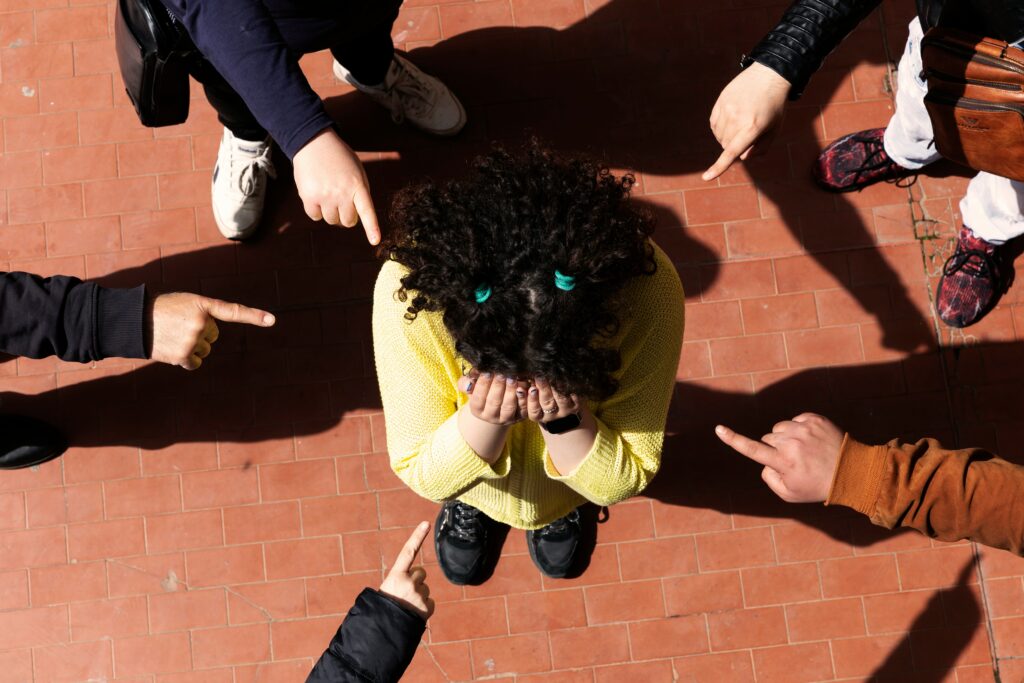
When Your Child Is Accused of Bullying, Listen Before Reacting
Don’t ignore reports of your child as a bully. No one wants to believe their child is doing something to harm another, but it does happen.
At the same time, an accusation needs to be understood carefully. When your child is accused of bullying, ask what happened, when it happened, and whether there have been previous incidents. Request specific examples and any available messages or screenshots, but don’t make having perfect proof a condition of taking someone seriously.
Speak privately with your child and listen to their account. You could say:
“Your teacher told me something happened at lunch. I want to understand what you said and did.”
Try to avoid supplying an excuse before they’ve answered. “You were only joking, weren’t you?” makes it much harder to have an honest conversation.
When your child is caught bullying, keep the message clear:
“I love you, and I’m here to help you. Hurting someone like this is not okay, and it needs to stop.”
Why Is My Child a Bully?
“Why is my child bullying others?” is an understandable question. Finding the answer can help you decide what needs to change.
Some children are trying to fit in. Others copy behavior they’ve seen, enjoy the attention it brings, or are being bullied themselves. Understanding the reason helps you address it without excusing the harm.
Find Out Whether Your Child Is Being Bullied
Ask your child if anyone is bullying them. If they say no, leave room for another conversation instead of pushing for a particular answer.
Sometimes talking about school more generally feels easier. Ask whether they’ve seen someone being made fun of, what happens in group chats, or whether there are children other students seem afraid of.
You can also share an age-appropriate example from your own childhood. If you were bullied, explain how you felt and ask, “Have you ever felt that way?”
The message should be consistent: bullying is not acceptable when it happens to them or when they do it to someone else.
When your child is bullied at school and is also hurting another child, both situations need attention. They deserve protection, and they still need to take responsibility for their actions.
Talk About the Pressure to Fit In
Kids desperately want to fit in with their peers. They’ll sometimes do things they wouldn’t ordinarily do to be part of the crowd.
That might mean laughing at a cruel joke, joining in with name-calling, or staying in a group chat where someone is being targeted.
Share examples from your own childhood of trying to fit in. Include a positive experience, such as joining an activity, and a choice you wish you’d handled differently. Keep it honest without turning the conversation into a long lecture.
Then practice something your child could actually say: “That’s mean. I’m not joining in,” or, “Let’s do something else.”
For Christian families, Luke 7:36–39 can open a conversation about treating someone with dignity despite other people’s judgment. Jesus allows a woman described as having lived a sinful life to anoint his feet, while his host judges her. The passage does not specifically identify her as a prostitute, so it’s better to avoid that description.
Ask your child, “What could choosing kindness look like when your friends don’t agree?”
Help Them Handle Their Strengths Responsibly
Maybe your child is bigger than their classmates, excels at school, is a talented athlete, or has plenty of friends. Those qualities don’t make a child a bully, but they can give them influence.
Talk about what they do with that influence.
Being good at something doesn’t make another person less important. Being popular doesn’t give anyone permission to decide who deserves kindness.
Discuss how everyone deserves respect, even someone your child doesn’t particularly like. They don’t have to be close friends with everyone, but they do need to avoid humiliating, threatening, or deliberately targeting people.
Use examples from everyday life or age-appropriate news stories. Ask, “What could that person have done differently?” Then bring it closer to home: “Who could you treat more respectfully this week?”
Look Honestly at How You Treat People
Children learn by example. Examine how you treat people.
That can be uncomfortable, especially when you’re already upset about your child’s behavior. This isn’t about declaring yourself a bad parent. It’s about noticing what your child sees and hears.
Are You Belittling Your Child?
Screaming, sarcasm intended to wound, and belittling your child don’t teach respectful problem-solving.
You can be firm without humiliating them. “I won’t let you call your sister names” sets a boundary. “What is wrong with you?” attacks the child.
If you get it wrong, show them how to repair it: “I was frustrated, and I spoke unkindly. I’m sorry. The rule still stands, but I should have explained it respectfully.”
Related: I Love Finding the Good in Other People’s Kids (And I Hope You’ll Rat Mine Out Too)
How Do You Speak About Other Adults?
You come across people who frustrate, disappoint, or hurt you. Your child hears how you talk about them afterward.
Think about the comments you make about coworkers, relatives, friends, and acquaintances. Are you describing a problem, or making fun of someone’s appearance, intelligence, or circumstances?
For Christian parents, it can help to ask whether your everyday words reflect the kindness you want to teach your children. Faith-based lessons carry more weight when children see them in ordinary conversations.
How Do You Treat People Who Serve You?
Your example says more to your child than your words.
How do you speak to a server when an order is wrong? What happens when the checkout line is slow? Do you thank the person cleaning up?
Let children see that you can ask for a mistake to be corrected politely. If you leave a tip, explain that you’re recognizing someone’s work and service.
Respect shouldn’t depend on whether someone can do something for us.
Set Consequences That Teach Something
Children need to know there are consequences to their actions. Treat your child firmly but respectfully.
Choose consequences connected to what happened, with clear expectations for moving forward. If your child used a phone to send cruel messages, you might pause access to the relevant app and supervise its use when access returns.
Avoid automatically jumping to a week, a month, or an even longer punishment without considering your child’s age, the seriousness of the behavior, and what the restriction will teach. Explain when you’ll review it and what responsible behavior needs to look like.
Ask your child to write down or talk through three different, respectful ways they could have handled the situation. Younger children may do better acting these out with you.
For example, they could have walked away, disagreed without an insult, or asked an adult for help.
The goal is for your child to know what to do differently the next time a similar situation comes up.

Check What’s Happening Online
Review your child’s social media and messaging activity when there is a concern about bullying. Explain why you’re checking and keep your approach appropriate to their age.
Look beyond public posts. Ask about gaming chats, private messages, and group conversations too.
Talk about how forwarding an embarrassing image or adding laughing reactions can contribute to someone’s humiliation, even if your child didn’t start it.
If harmful content is involved, preserve relevant evidence for the school or platform before removing or reporting it. Make it clear that your child must stop contacting or targeting the other child, including through friends.
Work With the School and Follow Up
One serious conversation at the kitchen table is a start, but it shouldn’t be the whole plan.
Ask the teacher or school counselor what support and supervision are needed. Agree on specific expectations and arrange a follow-up so you can find out whether the behavior has actually stopped.
Repairing harm may include replacing damaged belongings or offering an appropriate apology. Coordinate with the school rather than forcing a meeting with the other child. The child who was hurt shouldn’t be pressured to accept an apology, become friends, or reassure your child that everything is okay.
A useful apology names the action: “I spread a rumor about you. That was wrong.” It doesn’t shift the blame with, “I’m sorry you got upset.”
Notice and Encourage Respectful Behavior
Life gets busy, and it’s easy to spend more time correcting problems than noticing progress.
Affirm positive behavior. When you see your child treat someone respectfully, tell them exactly what you noticed.
“When you held the door open for the woman with her hands full, you warmed my heart.”
You could also say, “You were frustrated with your brother, but you asked for space instead of calling him names.”
Look for kindness when there’s no audience, too. Making a better choice when friends are watching matters, but so does how your child treats a sibling on an ordinary afternoon.
Keep talking about respect outside difficult moments. A book, a movie, or something that happened at the playground can give you a natural opening.
Common Questions Parents Ask About Bullying
Why Is My Toddler a Bully?
Hitting, biting, and grabbing in toddlerhood don’t automatically mean your child is a bully. Young children are still developing language and self-control, and may lash out when frustrated.
Step in calmly, protect the other child, and use simple words: “I won’t let you hit. Hitting hurts.” Help your toddler practice asking for a turn and expressing frustration. Frequent or severe aggression is a reason to speak with your pediatrician.
Why Is My Son a Bully? Why Is My Daughter a Bully?
Your child’s gender won’t tell you why they’re behaving this way. Look at the actual situation: what happened, who was involved, what your child hoped to gain, and whether it has happened before.
Avoid brushing off aggression as “boys being boys” or dismissing deliberate exclusion as normal “girl drama.” Both deserve attention.
Why Does My Child Bully Me?
If you’re wondering, “Is my child bullying me?” focus on what is happening rather than getting stuck on the label.
An occasional angry outburst is different from an ongoing pattern of threats, intimidation, or violence. You can acknowledge feelings while setting a boundary: “You can be angry with my decision. You cannot threaten me.”
When your child is bullying you or you feel frightened at home, seek support from a qualified family professional. If anyone is in immediate danger, prioritize safety and contact emergency services.
How Should My Child Answer a Bully?
If your child is also being targeted, practice a brief response such as, “Stop. That’s not okay,” followed by moving somewhere safe and telling a trusted adult. They don’t need a clever comeback, and they shouldn’t be expected to handle repeated bullying alone.
Your Child Can Learn to Do Better
“My child is a bully” is a painful thought, but it doesn’t have to become your child’s permanent identity.
Teaching your child to act respectfully involves what they see you do, how they are treated, and the guidance you give about right and wrong. It also means following through when someone has been hurt.
Keep loving your child. Keep listening. Keep the boundaries clear. If the behavior continues, involve the school counselor, your pediatrician, or a child therapist rather than trying to manage everything alone.
Your child needs to hear, “I believe you can do better.” They also need you beside them, helping them make the changes that better requires.




Leave a Reply